A Voice in the Dark: How Narrators Quietly Became TV's Most Powerful Character
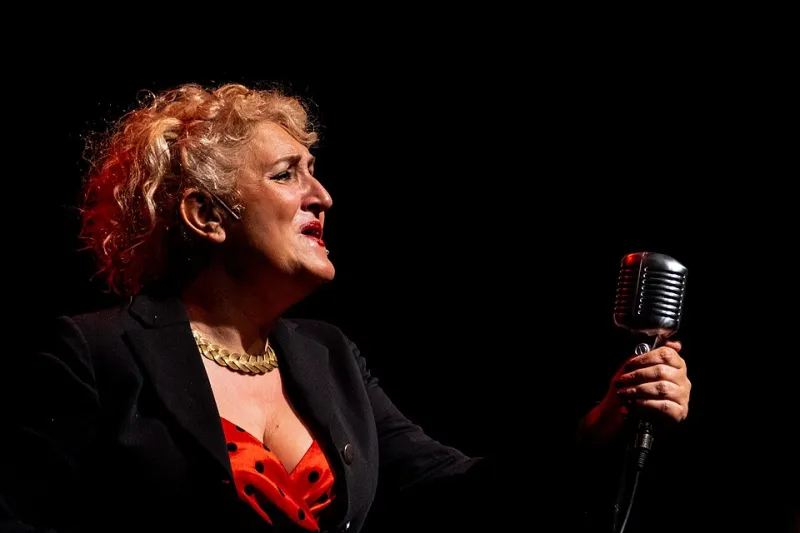
Photo: Martín Vasco, CC BY-SA 4.0, via Wikimedia Commons
There's a certain kind of television episode that opens not with an image but with a voice. Warm, wry, maybe a little wounded. Before you've seen a single frame of consequence, someone in the dark has already told you how to feel about it.
Narration is one of the oldest tools in the storytelling kit and one of the most condescendingly dismissed — "voice-over is a crutch," the workshop rule goes. Television keeps proving that rule wrong.
The Unreliable Confessor: Narration as a Lie
The most electrifying use of a narrator is when the voice and the visuals disagree. Arrested Development built an entire comedy engine on Ron Howard's deadpan narration contradicting what we were seeing — promising Michael was "the one keeping the family together" while the footage showed him being every bit as deluded as the rest of the Bluths. The narrator wasn't describing the show. The narrator was the punchline.
Push it further and you get shows like You, where Joe Goldberg's interior monologue is the whole horror. The camera shows a man stalking a woman; the voice insists this is a romance. The gap between what Joe says and what Joe does is the series' entire moral architecture. Remove the narration and you have a generic thriller. Keep it, and you've made the audience complicit in the delusion. That's not a crutch. That's the load-bearing wall.
The Whimsical Guide: When the Voice Sets the Rules
On the gentler end, narration does tone-setting work that no other device can. A Series of Unfortunate Events and Lemony Snicket's mournful asides teach you the show's ironic, melancholy register before a joke lands. Jane the Virgin's telenovela narrator turns every twist into a wink shared directly with the viewer, licensing the show's melodrama by naming it out loud.
In each case, the narrator functions as a contract. The voice tells you what kind of story you're in — fairy tale, confession, farce — and the show is free to be as strange as it wants because the narrator has already explained the rules. Whimsy needs a tour guide. Irony needs a straight man. Voice-over provides both.
The Narrator Who Outlives the Show
Here's the strangest part: a great narrator can escape their own series entirely. Drop the phrase "previously, on Arrested Development" into any conversation and watch people light up. The Grey's Anatomy voice-over monologues — "the carousel never stops turning," and so on — have become a meme genre all their own, quoted by people who stopped watching the show years ago. Narration compresses a show's whole worldview into sentences portable enough to survive on their own.
That portability is why creators keep reaching for the device, especially now. In the clip-and-quote economy, a show with a strong narrative voice manufactures its own marketing. Every monologue is a pre-cut social media asset.
Why the Voice in the Dark Keeps Winning
The deeper reason, though, is intimacy. Prestige television spent two decades teaching us to distrust what characters say out loud — subtext, subtext, subtext. Narration is the counter-programming: direct, confessional, almost embarrassingly honest. In an era of ambiguous endings and shows that refuse to explain themselves, there's something radical about a voice that simply tells you the truth. Or, better, a voice that lies so beautifully you spend the whole season catching it.
The image gets the credit. But more often than we admit, it's the voice in the dark doing the real work — setting the tone, breaking the fourth wall, and quietly becoming the character we remember longest.


