Ninety Seconds of Genius: What We Lose When We Hit 'Skip Intro'

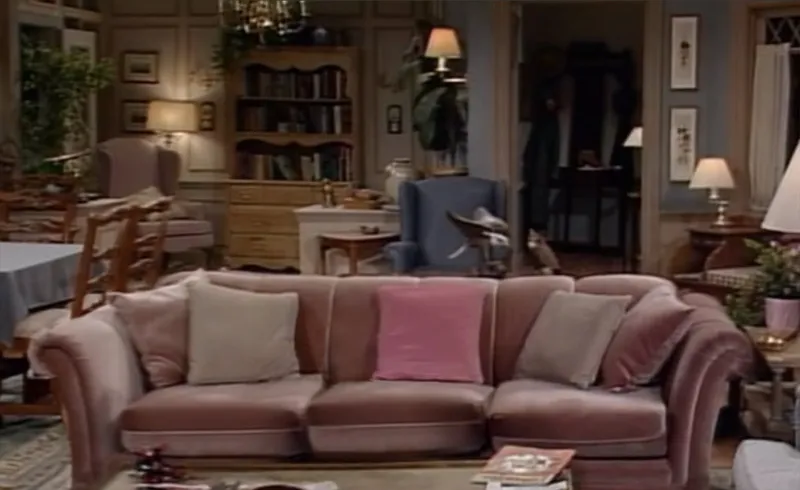
Photo: Federal Bureau of Investigation, Public domain, via Wikimedia Commons
There's a button now. It sits in the corner of your screen, small and gray and reasonable: Skip Intro. And every time you tap it, you're not saving ninety seconds. You're skipping a thesis statement.
Streaming didn't kill the TV theme song outright. It just made the case for its irrelevance so convincingly, so many times, that we stopped noticing it was gone. Netflix reportedly asked showrunners to keep intros under a certain length because viewers wouldn't sit through them. The algorithm, in other words, told us what we wanted before we could miss it. And we believed it.
But here's the thing about a great title sequence: it was never filler. It was the show talking to you directly, before the plot had a chance to interrupt.
The Cold Open Can't Do What the Credits Do
The argument for skipping goes like this: why watch a montage when you could be watching story? Cold opens are tighter. They start with a joke or a body or a mystery. Prestige TV in the streaming era has largely traded intros for cold opens that slam straight into the action.
Fine. But a cold open gives you a scene. A title sequence gives you a worldview.
Think about The Sopranos. Tony drives through the Lincoln Tunnel, lights flashing, a cigar in hand, as "Woke Up This Morning" hums along. Every single week, it's the same drive. That repetition is the point: Tony is stuck. The route is familiar, the tolls keep coming, and New Jersey glitters in the distance like a promise that never arrives. You could never communicate that in a scene. You'd need dialogue, exposition, a monologue. The intro just plays it.
Or consider The X-Files, which compressed an entire conspiracy into thirty seconds of eerie typography. Or Mad Men, where a silhouetted man falls through a skyscraper in an endless free-fall — the whole show, summed up in one image before a word of dialogue. Or the hand-drawn warmth of the Cheers theme, promising a place where everybody knows your name, which is honestly a better mission statement than most pilot scripts.
These weren't ads for the show. They were the show's soul, rendered as a ritual.
Ritual Is the Part We Forgot
Here's what the skip button doesn't understand: repetition isn't a bug of television, it's the feature that made it a communal art form. When a show aired weekly, that intro was a doorbell. You heard the first notes of the Friends theme or the thump of the Law & Order two-note sting and your brain shifted gears. You were here now. The story could begin.
Ritual does real psychological work. It's why we sing the same national anthem before every game, why churches repeat liturgy, why you light the same candle before you write. The intro told your nervous system what kind of story was coming — dread, comfort, satire, mystery — before the first line arrived.
When you binge a show with the button, you flatten that. Every episode bleeds into the next. You lose the doorway, and with it, a little of the sense of arrival. It's related to the reason comfort rewatches work at all: familiarity isn't a failure of attention. It's the precondition for it.
The Intros We're Still Getting — and the Ones We Aren't
To be fair, the form isn't extinct. Some shows still fight for their ninety seconds. Severance's uncanny, watermelon-smiling office dance sequence tells you everything about Lumon Industries before anyone speaks. The White Lotus rebuilds its murals every season. Succession's pitch-black family portraits and that piano line are doing more character work than half the dialogue.
But these feel like exceptions now — acts of stubbornness from creators who understand the assignment. More often, the modern intro is a ten-second logo sting, or a title card dropped over the cold open's final frame, something designed to be skippable from birth. The sequence has stopped assuming it deserves your time, so it never gets it.
And the loss compounds. A generation of viewers is learning television without ever hearing its overture. They know the shows but not the songs. Ask anyone under twenty-five to hum the theme from the biggest show of the year and you'll likely get a blank stare. Ask them to hum the Friends theme and watch thirty years of muscle memory kick in instantly.
Skip the Button, Not the Song
None of this means you have to watch every intro of every episode of a twenty-four-episode binge. Boredom isn't sacred. But maybe — once — watch it. Watch it like it's 1999, when you had no choice and didn't want one. Let the Sopranos drive through the tunnel again. Let the X-Files type its spooky letters.
The great title sequences weren't in the way of the story. They were the story, told in miniature, once a week, to anyone willing to sit still. The skip button isn't wrong because it wastes your time. It's wrong because it assumes your time was never worth spending in the first place.
That's not convenience. That's amnesia, one tap at a time.