When TV Hits Pause: The Case for the Episode That Doesn't Move the Plot
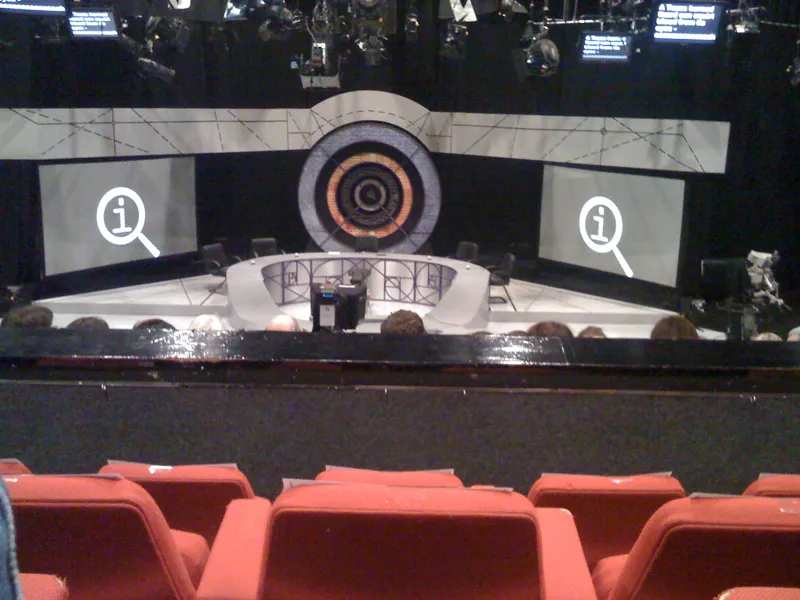
Photo: Philip Pryke (https://www.flickr.com/photos/philippryke/), CC BY 2.0, via Wikimedia Commons
There's a certain kind of episode that makes executives nervous and makes writers' rooms giddy. No plot advancement. No cliffhanger. Just characters, a confined space, and enough runway to actually think. The bottle episode — or its loftier cousin, the standalone character study — has quietly produced some of the finest writing television has ever aired, and the streaming era is doing its best to make it extinct.
What 'Filler' Actually Fills
The complaint about bottle episodes is always the same: nothing happens. But that's the point. When a show stops chasing its plot, it finally has time to chase its meaning.
Take Breaking Bad's 'Fly,' an episode so divisive that Vince Gilligan has defended it for over a decade. Walt spends 47 minutes trying to kill an insect in a superlab. On paper, it's nothing. On screen, it's a man circling the drain of his own conscience, nearly confessing to his partner, nearly admitting what he's become. The fly is a plot device in the way a fever dream is a plot device — technically present, functionally irrelevant, emotionally devastating.
Or look at Mad Men's 'The Suitcase,' widely considered one of the greatest episodes of TV ever made. Don and Peggy, one night, one office, one dead man they both loved. The series' entire thesis about identity and work and loneliness is compressed into a single evening of drinking and grief. No season arc required.
The Community Problem
Community took the bottle episode and weaponized it. 'Critical Film Studies' — the so-called Pulp Fiction episode that turns out to be a My Dinner with Andre homage — is a masterclass in subverting expectation while saying something real about who these characters are pretending to be. 'Abed's uncontrollable Christmas' stopped-motion-animated its own therapy session. 'Remedial Chaos Theory' built an entire multiverse out of a dice roll.
Creator Dan Harmon understood something networks keep forgetting: audiences don't actually resent episodes that pause the action. They resent episodes that waste their time. A great standalone chapter earns its existence. The audience's patience isn't the problem — the writing is.
Why Streaming Is Killing the Detour
Here's where it gets uncomfortable. The bottle episode thrived in an ecosystem of 22-episode seasons and syndication math. When you need inventory, a cheap, contained episode is a gift. But the streaming model flipped the incentives: eight-episode seasons, algorithm-obsessed retention metrics, and a fear that any viewer who skips an episode might just... keep skipping.
Netflix and its imitators famously designed their shows to be 'skippable-proof,' front-loading hooks and trimming anything that doesn't advance the plot. The result is content that moves constantly and says almost nothing. A 'Fly' would get flagged in a modern writers' room as a pacing risk. 'The Suitcase' would be a note in a deck: 'Consider cutting for runtime.'
There's also the binge effect. Bottle episodes landed differently when audiences lived with characters for years. Drop a quiet character study into a season consumed in one weekend and it can feel like a speed bump. That's not the episode's failure — it's a structural mismatch between how the art was built and how it's now consumed.
The Episodes That Prove the Point
The best standalone hours don't just pause the plot — they reframe everything around them. Buffy's 'The Body' stripped away the supernatural entirely to deliver the most honest depiction of sudden grief the medium has produced. The X-Files' 'Clyde Bruckman's Final Reposition' used a case-of-the-week to meditate on mortality so well it won an Emmy over the show's mythology episodes. Fargo, Atlanta, and Reservation Dogs have all carried the torch, treating 'filler' as an excuse to experiment while the serialized stuff handles the plot mechanics.
The Case for Slowing Down
Television's superpower was never plot. Movies plot better, cheaper, and faster. What TV can do — what only TV can do — is sit with a person long enough that silence becomes storytelling. The bottle episode is that superpower distilled.
So the next time a season pauses for an hour to let two characters talk in a room, resist the skip button. You're not watching filler. You're watching the reason the show was worth making in the first place.