Nobody Leaves Anymore: How the Post-Credits Scene Turned Every Movie Into a Two-Part Event
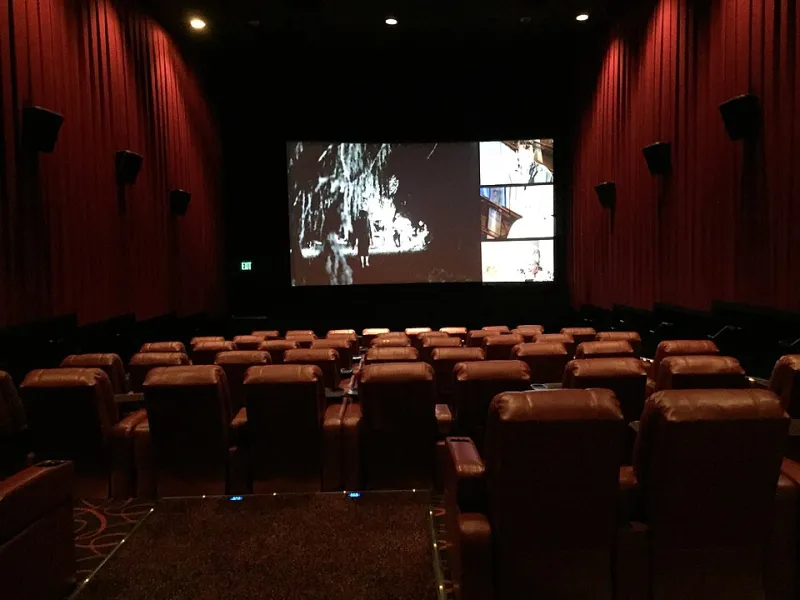
Photo: Famartin, CC BY-SA 4.0, via Wikimedia Commons
There's a specific kind of social contract that's quietly dissolved in American movie theaters over the last fifteen years, and it happened without a single press release. It used to work like this: the movie ends, the credits roll, the lights come up, and you leave. Maybe you linger on the music. Maybe you scan for your cousin's friend who did VFX work. But you go.
Now? Nobody moves. An entire theater full of adults sits in the dark watching names scroll by like it's a hostage situation, waiting for the studio to decide whether they've earned the real ending.
The Gag That Became a Commandment
Credit where it's due — literally. The post-credits stinger wasn't invented by Marvel. The Muppet Movie was cracking jokes down there in 1979. Ferris Bueller broke the fourth wall in his bathrobe. But Marvel industrialized it. Starting with 2008's Iron Man and Nick Fury muttering about an "Avenger Initiative," the studio converted a novelty into an obligation. The credits scene stopped being a bonus and became a clause in the contract.
And audiences responded the way audiences do: with Pavlovian obedience. Ask anyone who saw Avengers: Endgame on opening night. The applause for a credits scene — for a credits scene — was genuine. We had trained ourselves, and the studios knew it.
Pixar ran a parallel track with the Easter egg economy: the Pizza Planet truck smuggled into every film, A113 hidden in plain sight. These weren't plot hooks, they were scavenger hunts. And they worked for a different reason — they gave the obsessive viewer a reason to be the obsessive viewer. Finding the truck became a form of fandom fluency, a way to prove you'd done the reading.
The Theater That Forgot How to Empty
Here's the behavioral shift that fascinates me: the post-credits scene didn't just change what happens after movies. It changed what a movie is. A film is no longer a complete object. It's a two-part delivery system, with the second part gated behind four minutes of scrolling type.
The downstream effects are weird and worth noticing. Theater ushers stopped sweeping between showings because there's no window to sweep in. Groups of friends no longer debrief in the lobby — they debrief in their seats, in the dark, whispering over the gaffer's credits. And the rhythm of leaving a movie, that little decompression walk to the parking garage where you form your actual opinion of what you saw? Increasingly, that's been replaced by an immediate dopamine hit before your butt leaves the seat.
Studios, naturally, noticed the retention numbers. A credits scene is free marketing that the audience sits through voluntarily. It seeds sequels, fuels speculation content, and guarantees that the final frame of your movie is a trending topic rather than a fade to black. From a business standpoint, it's genius. From a storytelling standpoint, it's a little corrosive.
What Happened to Ending Things?
Because here's the thing about endings: they're the hardest part of any story, and the credits scene lets filmmakers off the hook. Why stick the landing when you can stick a teaser? The final image of a film used to carry enormous weight — think of the freeze frame at the end of The 400 Blows, or the cut to the lighthouse in The Lighthouse. Endings are arguments. A stinger is a shrug. It says: this story isn't finished, and neither is your relationship with this franchise, and please see us again next June.
Not every movie succumbs. The best recent blockbusters still understand the power of a hard out. But the ambient pressure is real — every shared-universe tentpole now has to juggle three jobs (tell a story, set up the next one, reward the credit-watchers), and something always gets shortchanged. Usually the story.
There's also something a little sad about a cultural ritual dying. Walking out during credits was one of the last communal acts of moviegoing — a collective, unspoken vote that the film was over and real life was resuming. Now we sit there like a congregation waiting for the benediction the studio may or may not provide.
Stay for the Names, Not the Stinger
Look, I'm not above a good stinger. Some of them are great — genuinely funny, genuinely thrilling. The problem isn't any single scene. It's that we've let the marketing department annex the credits, a space that used to belong to the hundreds of craftspeople who actually made the movie.
So here's a modest proposal: stay through the credits because the credits are the movie. Read the names. Find the second assistant camera operator who also shot the entire second unit. That's a real person who made a real thing you just enjoyed. And if the studio dangles a scene down there, sure, watch it — but don't confuse a teaser for an ending. The ending was the part right before the lights came on. It always was.